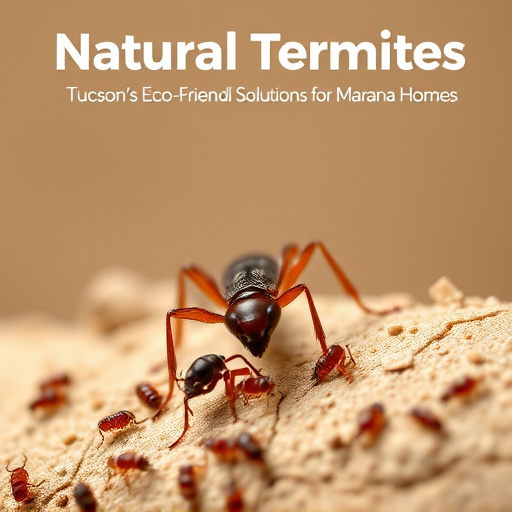
In Marana, AZ, understanding termite behavior is crucial for effective control. Termites thrive in moist wood environments, so natural predators like specific fungi and nematodes are recommended to disrupt colonies without chemicals. Key natural methods include beneficial insects, cultural practices (reducing moisture), organic barriers, and monitoring. Chemical treatments have drawbacks, including cost and resistance. The best strategy combines tailored treatments with regular inspections and maintenance, emphasizing deterrents, repellents, drainage, and proactive vulnerability identification for sustainable termite control Tucson naturally.
Termites are a significant pest problem in Marana, Arizona, posing a substantial threat to structural integrity and property values. These relentless insects can cause extensive damage over time, making effective termite control Tucson naturally a top priority for homeowners and real estate investors alike. This comprehensive review aims to demystify the various treatment options available, empowering readers with knowledge to make informed decisions. From traditional chemical barriers to organic solutions and innovative technologies, we explore the most reliable methods to safeguard your Marana property from these persistent pests.
- Understanding Termite Behavior in Marana, AZ
- Natural Termite Control Methods for Tucson Homes
- Evaluating Professional Termite Treatment Options
- Long-Term Solutions: Preventing Future Infestations
Understanding Termite Behavior in Marana, AZ

In Marana, AZ, understanding termite behavior is paramount for effective termite control. Termites are social insects that live in organized colonies, with each member performing a specific role, such as foraging, nurturing young, or protecting the nest. These pests are particularly drawn to areas of high wood moisture content and can cause significant structural damage over time. Local conditions in Marana, including frequent rainfall and warm temperatures, create an ideal environment for termite proliferation. Understanding this behavior allows residents to implement proactive measures and choose suitable termite treatment options, such as natural methods advocated by termite control Tucson naturally experts.
One effective approach leverages the natural predators of termites, like certain species of fungi and nematodes. These biological controls can be applied strategically to disrupt termite colonies without resorting to harsh chemicals. For instance, a study conducted by the University of Arizona found that specific fungi, when introduced into infested areas, have shown promising results in reducing termite populations naturally. This method not only minimizes environmental impact but also promotes a more sustainable and eco-friendly approach to termite control in Marana’s unique ecosystem.
Additionally, residents can adopt preventive measures based on termite behavior patterns. Regular inspections are crucial to identifying early signs of infestation. Reducing moisture levels around the property by addressing leaky pipes, proper drainage, and ensuring adequate ventilation can deter termites from establishing colonies. Moreover, maintaining a buffer zone between structures and dense vegetation, as recommended by local termite control experts, can significantly reduce the risk of termite attraction. By combining natural predators, preventive measures, and strategic treatments, Marana residents can effectively manage termite populations while preserving the area’s unique ecological balance.
Natural Termite Control Methods for Tucson Homes

In Marana, Arizona, homeowners seeking termite control Tucson naturally have a range of options to explore beyond traditional chemical treatments. Natural methods offer an eco-friendly approach, appealing to those prioritizing environmental sustainability and non-toxic solutions for their homes. One effective strategy involves introducing beneficial insects that prey on termites. For instance, the use of nematodes has shown promise in controlling termite populations. These microscopic worms infect and eventually kill termites by entering their bodies through pores. Research indicates that certain species of nematodes can be highly effective against different types of termites, making them a targeted and natural solution for local homes.
Another organic method is cultural practices aimed at reducing moisture levels in the soil, as termites thrive in humid environments. This includes proper drainage systems and ensuring adequate ventilation in crawl spaces, which can significantly deter termite activity. For example, installing French drains or modifying existing drainage to divert water away from the foundation can create an unfavorable environment for termites. Additionally, using organic, non-toxic barriers around the perimeter of a home is a preventative measure that blocks termites’ access to wooden structures.
Homeowners should also consider regular monitoring and early detection systems. Traps and sensors that alert residents to termite presence allow for swift action. Prompt treatment is crucial in effectively managing infestations using natural methods. While these techniques may require more time and effort than conventional treatments, they offer a sustainable and non-toxic approach to termite control Tucson naturally, ensuring the long-term protection of homes while minimizing environmental impact.
Evaluating Professional Termite Treatment Options

When faced with a termite infestation, homeowners in Marana often turn to professional termite control services, seeking effective and lasting solutions. Termite treatment options vary, from chemical pesticides to natural, eco-friendly methods. In this section, we delve into the evaluation of these treatments, offering an expert perspective on what works best for specific scenarios.
Chemical treatments, while widely used, involve the application of synthetic pesticides designed to eliminate termites. These include soil treatment and wood treatments, which target existing infestations and prevent new ones. However, chemical methods can be costly, and their effectiveness may wane over time as termite populations adapt. Moreover, these chemicals pose potential risks to human health and the environment if not handled properly. For instance, termiticides like fipronil have been linked to ecological disruption, highlighting the need for careful application and consideration of alternative options.
In contrast, natural termite control Tucson methods offer a more environmentally friendly approach. Organic solutions such as essential oils, bacteria, and fungi can effectively deter and eliminate termites. For example, citrus oil, a common household ingredient, has shown promise in repelling termites due to its strong odor, which disrupts their navigation systems. Biological control, employing beneficial insects like nematodes that parasitize termites, is another eco-friendly strategy. These natural methods are particularly appealing for homeowners concerned about health and environmental impacts but require consistent application and specific knowledge of termite behavior.
Termite control in Marana should consider the unique characteristics of each property. Soil type, climate, and the extent of infestation influence treatment choices. Homeowners should consult with certified pest control professionals who can assess the situation accurately. Combining treatments—for instance, using both natural repellents and physical barriers—can enhance overall effectiveness. Regular inspections are also crucial for early detection and successful long-term management, ensuring that termite control efforts remain proactive rather than reactive.
Long-Term Solutions: Preventing Future Infestations

In Marana, long-term termite control goes beyond immediate eradication. It involves a multifaceted approach aimed at preventing future infestations, ensuring homes remain protected for years to come. One effective strategy is adopting natural termite control Tucson methods that minimize the use of chemical pesticides. For instance, implementing physical barriers like metal or concrete meshes around the foundation can significantly deter termites from entering structures. Regular tree and shrub trimming also plays a crucial role by reducing wood-to-soil contact, a favored path for termite access.
Additionally, using natural repellents such as citronella oil, neem oil, or boric acid powder can be highly effective. These substances, when strategically applied, disrupt termites’ sensory systems and communication networks, discouraging colonization. For example, a study conducted by the University of Arizona found that neem oil, derived from the azadirechta indica plant, showed promising results in repelling both subterranean and drywood termites. Moreover, proper drainage systems and sealing entry points like cracks and gaps are essential preventive measures that eliminate moist conditions favorable to termite breeding.
Regular inspections by certified professionals are also vital for long-term success. These experts can identify potential vulnerabilities before they become major issues, recommending tailored solutions based on specific species and local environmental factors. By combining natural methods with proactive maintenance, Marana residents can achieve sustainable termite control, enhancing their homes’ resilience against these persistent pests.
By understanding termite behavior in Marana, AZ, and adopting both natural and professional termite control methods, homeowners can effectively protect their Tucson properties. Natural termite control options, such as organic repellents and beneficial insects, offer a sustainable and eco-friendly approach to termite management. Evaluating professional treatments allows for the selection of powerful yet targeted solutions, ensuring long-term protection against these persistent pests. Additionally, implementing preventive measures is crucial for safeguarding homes in the future. Through a combination of knowledge, proactive strategies, and access to reliable professionals, residents can take control of termite control Tucson naturally while maintaining a secure living environment.