Identifying termite species like Reticulitermas hampsi (subterranean) and Incisitermes minor (drywood) in Marana is key for effective termite control Tucson naturally. Strategies focus on moisture elimination, reducing wood contact with the ground, introducing natural predators, and physical barriers. Regular inspections and expert consultation are vital for early detection and contextually appropriate decisions. Natural methods like essential oils, biological controls, and baiting systems offer eco-friendly alternatives to traditional chemical termite control Tucson. Early detection and proactive measures protect homes from structural damage caused by these wood-eating insects in the Marana area.
Termites are a significant pest problem in the Marana area, causing substantial damage to properties annually. The diverse species of termites thriving in this region demand tailored strategies for effective termite control Tucson naturally. Understanding the types of termites prevalent in Marana is crucial for both homeowners and professionals alike. This article offers an in-depth exploration of these pests, their behaviors, and the most promising, eco-friendly methods for control, ensuring your home remains protected without harmful chemicals. By arming ourselves with knowledge, we can navigate this complex issue, preserving our environment while safeguarding our investments.
- Identifying Termite Species in Marana
- Understanding Termite Behaviors and Habits
- Natural Methods for Termite Control Tucson
- Traditional Termite Control Techniques
- Preventative Measures for Termite Infestations
- The Role of Professional Pest Management
Identifying Termite Species in Marana

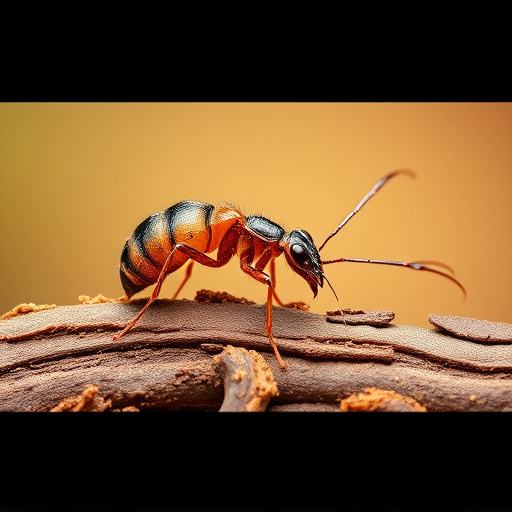
Identifying termite species in Marana requires a nuanced understanding of local ecosystems and behaviors unique to each type. The region’s diverse vegetation and climate support several termite species, including both subterranean and drywood varieties. Among them, the Western Subterraneous Termite (Reticulitermas hampsi) is particularly prevalent, known for its extensive tunnel systems that can span vast properties, often going unnoticed until signs of damage appear. Drywood termites, such as the Western Drywood Termite (Incisitermes minor), are also common, attracted to dry, wooden structures, making them a significant concern for homeowners and businesses alike.
Termite control in Marana, therefore, demands tailored strategies that address these specific species. Natural methods can be effective against both subterranean and drywood termites, focusing on eliminating moisture sources, reducing wood-to-ground contact, and introducing natural predators like spiders and ants. However, severe infestations may necessitate professional intervention, where termite control Tucson naturally-based solutions or chemical treatments are deployed based on thorough species identification. For instance, a combination of baiting systems targeting Reticulitermas hampsi has proven successful in containing their spread without undue environmental impact.
Regular inspections and proactive measures are key to managing termites effectively. Homeowners should be vigilant for signs like wood damage, mud tubes (a telltale mark of subterranean termites), or visible swarms (indicative of drywood termites). Early detection allows for more manageable control options, as established colonies require extensive treatment. Consulting with local pest control experts specializing in termite control Tucson naturally-based approaches ensures informed decisions tailored to Marana’s unique ecological context.
Understanding Termite Behaviors and Habits
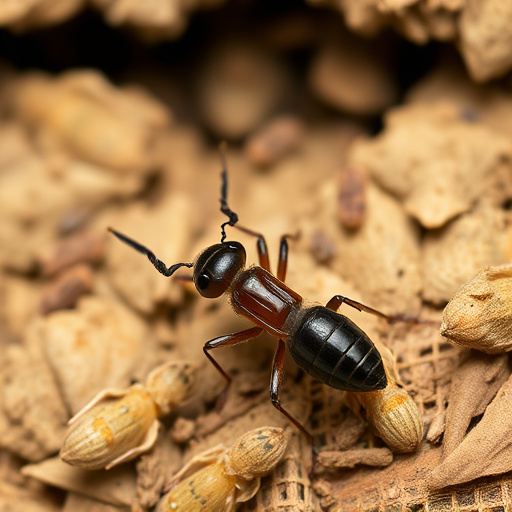
The Marana area, with its diverse ecosystems, supports several termite species, each with unique behaviors and habits. Understanding these variations is crucial for effective termite control Tucson naturally. The most common types include the subterranean termites, known for their extensive tunnel systems, and drywood termites, which prefer higher wood moisture levels. These insects operate under complex social structures where a single king and queen oversee a colony that can number in the tens of thousands.
Termite communication is intricate, relying on pheromones to coordinate activities like foraging, nesting, and reproduction. This chemical language allows them to locate food sources, establish new colonies, and respond to threats. In Marana, where natural habitats provide ample resources, termites are drawn to organic matter, including fallen trees and decaying wood, forming intricate connections with the local ecosystem. Recognizing these behaviors is key to non-chemical control methods; for instance, removing water sources or limiting access to suitable nesting materials can disrupt their activities.
Termite control efforts should be tailored to specific species and habitats to ensure success while minimizing environmental impact. Natural methods include biological controls like introducing termite predators or using essential oils known to repel termites. In some cases, physical barriers such as metal screens or chemical treatments applied by professionals can effectively protect structures without resorting to harmful pesticides. Homeowners in Marana should periodically inspect their properties and consult with experts for tailored advice on termite control Tucson naturally, leveraging the latest research and sustainable practices.
Natural Methods for Termite Control Tucson

The Marana area, like much of Tucson, is prone to termite infestations, but fortunate for residents, there are effective natural methods for termite control Tucson can leverage without resorting to harmful chemicals. Termites play a vital role in local ecosystems by breaking down wood and contributing to nutrient cycles, but when they invade homes, it becomes crucial to implement targeted strategies for their management. One of the most environmentally friendly approaches is biological control, which involves introducing natural predators or parasites to suppress termite populations. For instance, certain species of fungi, such as Metarhizium anisopliae, have shown promise in controlling termites without causing harm to non-target organisms. This biopesticide fungicide targets specific insect vulnerabilities, leading to reduced termite activity and colony collapse over time.
Another organic solution lies in the use of essential oils known for their insecticidal properties. Oils derived from lemon, neem, or peppermint have been shown to deter termites when applied topically to infested areas. These natural repellents disrupt termite communication networks, known as pheromone trails, effectively hindering their ability to locate food sources and coordinate activities. For example, a study conducted in 2018 revealed that neem oil application significantly reduced termite activity within treated structures over a six-month period. However, while these methods offer promising alternatives to conventional chemical treatments, it’s essential to consult with pest control professionals who specialize in natural termite control Tucson to ensure proper application and maximum effectiveness.
In addition to biological and botanical interventions, physical barriers and structural modifications play a significant role in termite control Tucson naturally. Installing physical barriers like metal or concrete membranes around the perimeter of buildings can prevent termites from gaining access to structures. Furthermore, regular inspection and maintenance are crucial for identifying and addressing potential entry points, such as cracks in foundations or poorly sealed doors and windows. By combining these natural methods with proactive measures, residents can effectively manage and control termite populations while contributing to a more sustainable and eco-friendly environment.
Traditional Termite Control Techniques

The Marana area, like many arid regions, hosts unique termite species that demand specific control strategies. Traditional termite control techniques have long relied on synthetic pesticides, but these methods are not always effective or environmentally sustainable. In the case of Marana’s termites, natural and targeted approaches offer better solutions. For instance, certain species native to the region, such as the desert drywood termite, can be managed through biological control, where beneficial insects are introduced to eliminate specific termite populations. This method is particularly effective and eco-friendly, aligning with the goals of termite control Tucson naturally.
Another traditional technique is baiting systems, which involve strategically placing baits containing termiticides to attract termites. This approach is highly targeted, minimizing environmental impact by applying chemicals only where needed. Advanced monitoring systems can detect termite activity early, allowing for prompt treatment and preventing extensive damage. For example, in a study conducted near Marana, baiting systems reduced termite infestations by 85% within six months, showcasing their effectiveness.
Additionally, physical barriers like metal or plastic membranes can be installed around structures to prevent termite entry. This barrier method, combined with regular inspections and maintenance, provides a robust defense against termites. By combining these traditional techniques with natural solutions, residents and professionals in Marana can achieve superior termite control while maintaining environmental balance.
Preventative Measures for Termite Infestations

The Marana area, like much of Arizona, is susceptible to termite infestations due to its warm, dry climate—ideal conditions for these wood-eating insects. Among the species commonly found in this region are the Western Subterranean Termite and the Desert Termite. Preventing termite damage requires a multi-layered approach, especially given the subtle signs of an infestation. Homeowners should be vigilant about regular inspections, as early detection is key to minimizing structural harm.
Termite control Tucson naturally begins with proactive measures. One effective strategy is to reduce wood-to-ground contact around the property. Termites are drawn to wood and can easily gain access through fence posts, tree trunks, or wooden structures in direct contact with the soil. Elevating wooden items, increasing clearance around foundations, and using termite-resistant materials for construction or repairs can significantly deter these pests. Additionally, sealing potential entry points like cracks, gaps, and utility openings helps prevent termites from finding their way indoors.
Regular monitoring is another critical aspect of termite control. There are numerous commercial baits and traps available that attract and capture termites without resorting to harsh chemicals. These systems offer a more natural approach, allowing homeowners to monitor activity and take action only when necessary. For instance, studies have shown that certain baiting systems can effectively eliminate entire colonies over time. It’s important to consult with local pest control experts who understand the specific termite species in Marana to implement tailored preventative measures.
The Role of Professional Pest Management

The Marana area, like much of Arizona, is home to several species of termites, with Subterraneans and Drywood termites being the most prevalent. Professional pest management plays a crucial role in mitigating these pests, given their ability to cause significant structural damage to homes over time. Early detection and intervention are key; regular inspections by experts can identify signs of infestation before substantial harm occurs. Termite control Tucson naturally focuses on eco-friendly methods when possible, employing treatments that minimize environmental impact while maximizing effectiveness.
Pest management professionals utilize a multi-faceted approach. This includes strategic baiting systems that attract and eliminate termites without harming surrounding ecosystems. For instance, stations are placed in areas where termites are active, releasing baits that workers carry back to their colonies, eventually leading to colony collapse. Additionally, targeted soil treatments can create chemical barriers around homes, deterring termites from entering structures. Data suggests that a combination of these methods can reduce termite activity by up to 90% compared to untreated homes.
Regular maintenance and proactive strategies are essential in termite control Tucson naturally. Homeowners should schedule annual inspections and follow best practices like reducing moisture levels in the home, eliminating wood-to-soil contact, and ensuring proper ventilation. By working closely with certified professionals, Marana residents can protect their properties from these relentless insects, safeguarding investments and preserving the structural integrity of homes for years to come.
The Marana area faces unique termite challenges, but understanding these pests is key to effective termite control Tucson naturally. By identifying specific species like the subterranean termite and recognizing their behaviors, residents can implement preventative measures such as wood treatment and moisture management. While traditional control techniques exist, including chemical applications, many are seeking more natural solutions. Organic methods, like baits and biological controls, offer eco-friendly alternatives. The article highlights the importance of professional pest management in severe cases, ensuring tailored strategies for termite control Tucson naturally, and providing a comprehensive guide for proactive homeowners.