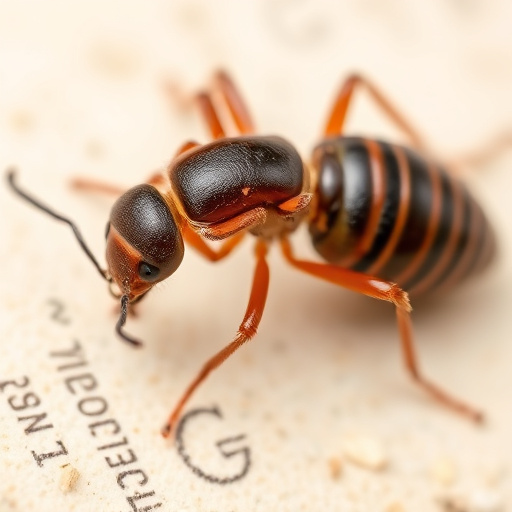
Termite control Tucson naturally focuses on a holistic approach combining biological and environmental solutions to combat native species like Western Subterranean Termites. This strategy leverages natural predators, repellents (e.g., neem trees, lemongrass), strategic planting of native vegetation, proper drainage, and regular inspections by professionals. Natural methods, such as essential oils and baiting systems, offer eco-friendly alternatives to chemical treatments, with comparable success rates when correctly implemented. Effectiveness varies based on species, local conditions, and product quality; consulting certified experts for tailored advice is crucial. Regular inspections, removing wood-soil contact, and using physical barriers enhance natural treatment efficacy for long-term protection.
Termites are a significant pest issue in Marana, posing a grave threat to the structural integrity of homes and businesses. These relentless insects can cause extensive damage over time, making effective termite control Tucson naturally a top priority for residents. With various treatment options available, understanding their pros and cons is crucial for making informed decisions about protecting your property. This article provides an in-depth review of the most common termite treatment methods, guiding you through the complexities of termite control to ensure your home remains secure.
- Understanding Termite Behavior in Marana & Natural Control Methods
- Evaluating Termite Treatment Options: Chemicals vs. Natural Solutions in Tucson
Understanding Termite Behavior in Marana & Natural Control Methods

In Marana, understanding termite behavior is a cornerstone of effective termite control. Termites are social insects that thrive in warm, moist environments, making the region particularly susceptible to infestations. Native species like the Western Subterranean Termite prefer to construct their colonies beneath the ground, often near trees and other sources of wood, which serve as their primary food source. This behavior underscores the importance of proactive measures to protect structures from these persistent pests.
Natural control methods offer a sustainable alternative to traditional termite control Tucson. Marana’s diverse ecosystem supports various natural predators that can help manage termite populations. For instance, certain species of ants and spiders are known to hunt termites. Encouraging these beneficial insects through the strategic planting of native vegetation around homes can create a natural barrier against termite activity. Additionally, some plants contain compounds that repel termites, such as neem trees and lemongrass. Incorporating these natural solutions into integrated pest management strategies can significantly reduce reliance on chemical treatments.
Beyond biological controls, modifying environmental conditions can also deter termites. Proper drainage around buildings is crucial to eliminating moist habitats that attract termites. Regular inspections by professionals trained in termite behavior can help identify potential entry points and pinpoint areas of vulnerability. Early detection combined with targeted natural interventions provides a comprehensive approach to termite control Tucson, ensuring the long-term protection of structures in Marana’s unique ecosystem.
Evaluating Termite Treatment Options: Chemicals vs. Natural Solutions in Tucson

When it comes to termite control in Tucson, homeowners have a variety of options to choose from, with a key decision being between chemical and natural solutions. Chemical treatments, while effective, can raise concerns about potential environmental impact and human safety. On the other hand, natural termite control Tucson methods offer an eco-friendly alternative, leveraging non-toxic substances and biological controls. For instance, essential oils like citronella and neem oil have shown promise in repelling termites due to their strong scents that disrupt their navigation systems.
One of the most effective natural termite treatment options is baiting systems. These involve placing stations containing attractive substances, such as wood chips treated with natural pesticides, in areas where termites are active. Worker termites, attracted by the bait, carry it back to their colony, effectively dispersing the treatment and eliminating the infestation from within. This method is not only environmentally friendly but also targeted, minimizing damage to surrounding structures. Data suggests that natural termite control Tucson strategies can achieve success rates comparable to chemical treatments when implemented correctly.
However, it’s essential to recognize that not all natural solutions are created equal. The effectiveness of a treatment depends on factors such as the specific type of termites, local environmental conditions, and the quality of products used. Homeowners considering termite control Tucson naturally should consult with certified professionals who can provide tailored advice based on their unique situation. Incorporating regular inspections, removing potential food sources like wood contact with soil, and using physical barriers like metal mesh can further enhance the efficacy of natural treatments, ensuring long-term protection against these persistent pests.
By examining both chemical and natural termite treatment options in Tucson, this article has underscored the importance of a nuanced approach to termite control. Key insights reveal that while chemical treatments offer swift results, they may pose environmental concerns and necessitate repeated applications. Natural solutions, on the other hand, showcase potential through biological controls and eco-friendly methods, though their effectiveness might vary. For residents in Marana seeking effective yet sustainable termite control Tucson naturally, integrating these organic strategies into a comprehensive plan could prove beneficial. This holistic approach not only mitigates potential health and environmental risks but also contributes to a more balanced ecological landscape.