
Marana's diverse termite species, including Western Subterranean and Desert Drywood termites, require a multifaceted approach for effective termite control Tucson naturally. Key strategies involve:
– Regular Inspections & Monitoring: By professionals to detect early signs of infestation.
– Preventive Measures: Moisture reduction, sealing entry points, proper ventilation, and buffer zone maintenance.
– Natural Control Methods: Introducing beneficial insects, plant-based repellents (e.g., neem oil), biodegradable termiticides, and biological controls like nematodes or fungi.
– Proactive Vigilance: Using bait stations, biannual inspections, moisture source removal, and trimming trees to deter termites.
– Professional Assistance: For severe infestations, targeted baits, termiticides, or heat treatments may be required.
Termites are a significant pest problem in the Marana area, causing extensive damage to homes and structures annually. The diverse termite species present in this region demand tailored strategies for effective termite control Tucson naturally. Understanding the types of termites that inhabit Marana is crucial for homeowners and professionals alike. This article provides an in-depth exploration of the various termite species, their behaviors, and the most sustainable methods for managing them, ensuring that residents are equipped with the knowledge to protect their properties.
- Identifying Termite Species in Marana
- Understanding Local Termite Behavior
- Natural Methods for Termite Prevention
- Traditional vs. Green Termite Control Tucson
- When to Call a Professional for Termite Treatment
- Safeguarding Your Home: Post-Treatment Care
Identifying Termite Species in Marana

The Marana area is home to a variety of termite species, each with distinct behaviors and habitats. Identifying these termites is crucial for effective termite control Tucson naturally. Two prominent species in this region are the Western Subterranean Termite (Reticuliterms hampsi) and the Desert Drywood Termite (Incisitermes minor). The Western Subterranean Termite, often referred to as the “subterranean” termite, is common throughout Marana and is known for its extensive tunnel systems. These termites feed on cellulose-rich materials beneath the ground, making them less visible but no less destructive. Their presence typically indicates a significant colony, requiring professional intervention.
The Desert Drywood Termite, in contrast, prefers to feed on dry wood above ground level. They nest in wooden structures and are often first detected when noticeable damage occurs. Unlike their subterranean counterparts, these termites don’t require soil contact, making them challenging to detect early. However, their characteristic wood-boring behavior leaves distinct patterns of tunnels and chambers. Proper identification is key to employing effective termite control methods, especially when considering natural solutions.
Given the unique ecological conditions in Marana, a combination of preventive measures and targeted treatments can be highly effective. Regular inspections by trained professionals are essential to identifying early signs of termite activity. Homeowners should also take proactive steps like reducing moisture levels, sealing potential entry points, and maintaining proper ventilation. For natural termite control, biological methods such as introducing beneficial insects or using plant-based repellents can help deter termites without harmful chemicals. These strategies not only promote a healthier environment but also offer long-term solutions tailored to the specific termite species in Marana.
Understanding Local Termite Behavior

The Marana area is home to several termite species, each with unique behaviors that influence their impact on local ecosystems and structures. Among these, the most prominent are the Subterranean termites and Drywood termites. Understanding their behavior is crucial for effective termite control Tucson naturally.
Subterranean termites, found in high numbers throughout Marana, live in colonies underground and build intricate networks of tunnels. They feed on cellulose-rich materials, often infiltrating buildings through small cracks and crevices. Their colony structure includes workers, soldiers, and reproductives, with a single king and queen at the heart. Effective natural control involves targeting these entry points and applying eco-friendly baits that disrupt their food sources without harming non-target species.
Drywood termites, though less common, also pose a significant threat to Marana’s structures. Unlike Subterranean termites, they don’t require soil contact and can infest wooden items stored above ground level. These termites create clusters within wood, causing it to weaken and crumble over time. Natural control measures for Drywood termites include mechanical removal of infested wood and maintaining proper ventilation to reduce moisture levels, which are essential for their survival.
Termite control Tucson naturally requires a deep understanding of these local behaviors. Homeowners and professionals alike should adopt proactive strategies like regular inspections, sealing entry points, and using natural repellents such as neem oil or borate treatments. By combining these methods, it’s possible to mitigate termite damage effectively while minimizing the use of chemical pesticides.
Natural Methods for Termite Prevention
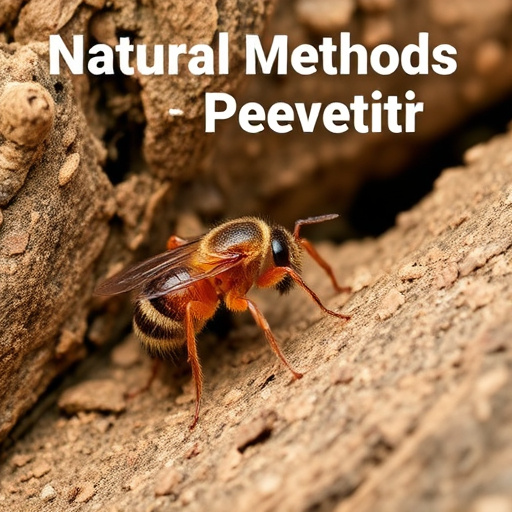
The Marana area, like much of Arizona, hosts several species of termites, each with unique behaviors and habitats. Common species include the subterranean termite, drywood termite, and formicine termite. Subterranean termites are the most prevalent, known for their colony construction beneath the ground and their reliance on moisture sources nearby. Drywood termites, as their name suggests, prefer to nest in dry wooden structures, making them a particular concern for homeowners in arid climates. Formicine termites, though less destructive, can still cause significant damage if left unchecked.
Preventing termite infestations in Marana—and beyond—requires a multi-faceted approach, with natural methods playing a crucial role. One effective strategy is to maintain a healthy buffer zone around your property. Termites are attracted to sources of moisture, so proper drainage and the use of permeable materials in landscaping can significantly deter them. For instance, ensuring downspouts direct water away from your home and using organic, termite-resistant plants can create a natural barrier. Additionally, regular inspection and maintenance are essential. Professional termite control Tucson naturally services often employ non-toxic methods like baiting systems, which use attractive substances to lure and eliminate termites without harmful chemicals.
Another natural solution involves the introduction of beneficial insects, such as certain species of wasps and beetles, that prey on termites. These biological controls can be particularly effective in managing small to moderate infestations. It’s important to note that while natural methods are often preferable for their environmental friendliness, they may not eradicate larger or deeply established colonies. In such cases, chemical treatments or professional intervention from termite control Tucson naturally experts might be necessary to fully resolve the issue. Proactive measures, combined with regular monitoring, remain the best defense against these persistent pests.
Traditional vs. Green Termite Control Tucson

The Marana area, like much of Arizona, is prone to termite infestations, necessitating effective termite control Tucson strategies. Among the various species lurking in local timber structures, two primary types demand attention: traditional termites and a growing presence of green or eco-conscious termites. The former relies on chemical treatments, while the latter favors natural solutions, reflecting evolving environmental consciousness. Termite control Tucson naturally has seen a surge in interest as property owners seek sustainable pest management.
Traditional termite control often involves synthetic pesticides applied to the soil around homes, creating a barrier that repels and kills termites. However, this aggressive approach can have ecological repercussions, contaminating soil and water sources. In contrast, green termite control Tucson adopts an integrated pest management (IPM) strategy, focusing on non-chemical methods like baiting systems, biological controls, and physical barriers. For example, termiticides that are biodegradable and less toxic to non-target species are increasingly popular. Furthermore, introducing natural predators such as nematodes or fungi can disrupt termite colonies without harmful chemicals.
The effectiveness of these methods is supported by recent studies. A 2021 survey by the Arizona Department of Agriculture found that properties using green termite control Tucson tactics had significantly lower rates of reinfestation compared to those relying solely on traditional treatments. This shift towards natural solutions not only benefits the environment but also promotes a healthier, more sustainable approach to pest management within the Marana community. Homeowners and professionals alike are encouraged to explore these alternatives, ensuring both effective termite control and ecological preservation.
When to Call a Professional for Termite Treatment

In the Marana area, several types of termites are commonly encountered, each with distinct behaviors and preferences. The most prominent species include the Eastern Subterranean Termite, known for its extensive tunnel systems, and the Desert Termite, adapted to the arid conditions. These termites can cause significant structural damage if left unchecked, making timely intervention crucial. Homeowners should be vigilant for signs such as wooden structure deterioration, mud tubes (a telltale sign of Eastern Subterranean Termites), or noticeable swarms during spring and summer months.
When addressing termite infestations in Marana, it is often beneficial to consider natural methods first, aligning with the region’s ecological consciousness. Termite control Tucson naturally can be effectively achieved through integrated pest management strategies that minimize chemical usage. This approach includes identifying and eliminating sources of moisture, removing potential wood contacts with soil, and employing biological controls like nematodes or fungi. However, for severe cases or when infestation is extensive, professional intervention becomes indispensable.
Professional termite treatment offers specialized expertise and advanced equipment not readily available to homeowners. Experts in Marana employ strategic applications of termiticides, targeted baits, or heat treatments to eradicate termites thoroughly. Regular inspections are also vital components of proactive termite management. By scheduling periodic assessments with licensed professionals, homeowners can ensure early detection of any infestations, thereby minimizing damage and costs associated with extensive repairs. Prompt action is key; the longer a termite infestation goes untreated, the more profound and costly the destruction can be.
Safeguarding Your Home: Post-Treatment Care

The Marana area, like many parts of Arizona, is home to several species of termites, each with unique behaviors and structural threats. After a termite control Tucson naturally approach or professional treatment, safeguarding your home requires ongoing vigilance. Post-treatment care involves both preventative measures and regular inspections. One common method is the use of bait stations, which attract termites away from wooden structures and into a substance that inhibits their growth. This strategy allows for controlled exposure to termiticides while minimizing environmental impact.
Regular monitoring is crucial in post-treatment care. Homeowners should inspect their properties at least biannually, looking for signs of termite activity such as mud tubes, wing fragments, or wood damage. Early detection can prevent reinfection and reduce the need for more intensive treatments. It’s also advisable to remove sources of moisture around the home, as termites are attracted to wet wood, and ensure proper ventilation in attics and crawl spaces.
In addition to proactive measures, maintaining a healthy buffer zone between your home and potential termite habitats is essential. This includes trimming trees and shrubs away from exterior walls and removing dead wood or debris that could serve as food sources. By combining these strategies with professional guidance, homeowners can effectively protect their investments from termite damage in the Marana area.
In the Marana area, understanding the types of termites and their behaviors is key to effective termite control Tucson naturally. By identifying specific species, residents can tailor prevention strategies using natural methods. The article has highlighted these crucial steps, from traditional to green termite control approaches, emphasizing the importance of timely intervention. Post-treatment care is vital for safeguarding homes, ensuring long-lasting protection. Armed with this knowledge, Marana folks are now equipped to navigate termite issues, knowing when professional help is needed and how to maintain a pest-free environment using natural solutions for termite control Tucson.