
In Marana, understanding termite behavior and year-round activity is crucial for prevention. Key strategies include regular inspections, proper drainage, humidity control, and natural repellents like neem oil. Early detection through subtle signs like shed wings or damaged wood is vital. Termite baits and traps offer eco-friendly protection. Combining natural methods with professional assessments provides effective termite control Tucson naturally, safeguarding properties from these infestations. Regular maintenance and local expert consultation are essential post-infestations.
Termites are a significant concern for homeowners in Marana, Arizona, posing a silent yet devastating threat to structural integrity. Infestations can go unnoticed until severe damage occurs, leading to costly repairs. The good news is that preventing termite infestations is achievable through proactive measures. This article provides an authoritative guide to tackling this issue head-on, focusing on natural termite control Tucson strategies specifically tailored for Marana properties. By understanding the problem and implementing effective solutions, residents can safeguard their investments and enjoy peace of mind.
- Understanding Termite Behavior in Marana
- Identifying Signs of Infestation Early
- Natural Prevention Measures for Tucson Homes
- Effective Termite Control Strategies
- Maintaining a Pest-Free Environment Post-Infestations
Understanding Termite Behavior in Marana

In Marana, understanding termite behavior is a cornerstone of effective prevention strategies. Termites are social insects that live in colonies, often hidden within structural wood or soil, and their activity patterns significantly influence the likelihood of an infestation. Unlike many homeowners, these pests operate year-round, with peak activity occurring during spring and summer when sources of moisture and warmer temperatures thrive their development. In Marana’s climate, where prolonged periods of dryness are common, termites become more active in search of consistent water supplies, making them particularly adept at infiltrating homes through seemingly imperceptible entry points.
Termite swarms, a visible sign of colony expansion, typically occur in the spring, posing a heightened risk during this season. After swarming, newly established colonies focus on building and fortifying their nest, often within wood structures or nearby soil, which makes Marana properties particularly vulnerable. As such, homeowners must be vigilant about signs like discarded wings around windowsills or doors, small holes in wooden surfaces, or soft, squishy wood—indicative of termite damage. Understanding these behaviors allows for proactive measures. Regular inspections by professional termite control Tucson naturally specialists can help identify potential entry points and provide tailored solutions before infestations escalate.
Moreover, maintaining proper humidity levels inside the home and ensuring effective drainage systems are in place significantly deter termites. These insects are attracted to moisture, and their presence near a property’s foundation can be a red flag. Regularly inspecting and addressing plumbing leaks, installing dehumidifiers in humid areas, and creating a 1-3 foot buffer zone between soil and wooden parts of the home are practical steps that complement professional termite control Tucson naturally services. By combining these strategies, Marana homeowners can significantly reduce their risk of termite infestations, ensuring their properties remain safe and secure.
Identifying Signs of Infestation Early

Termite infestations can wreak havoc on Marana properties, causing significant structural damage if left undetected. The early signs of an infestation are often subtle but crucial to identify, as they provide homeowners with a critical window to take action before extensive harm occurs. Termites feed on cellulose-rich materials, making wooden structures particularly vulnerable in Arizona’s climate. In the case of Marana, where homes are nestled amidst diverse ecosystems, the risk is heightened due to proximity to natural environments that serve as termite breeding grounds.
Regular inspections are paramount to early detection. Homeowners should be vigilant for signs such as small piles of wingless insect shells, which termites shed during molting; soft, damaged wood; or visible tunnels in wooden areas, including floorboards and wall studs. Termite droppings, resembling small pellets, are another indicator, often found near walls or in dark, hidden spaces. One study by the University of Arizona Cooperative Extension indicates that 90% of termite infestations go undetected for months, emphasizing the need for proactive measures. Early identification is key, as it allows for effective termite control Tucson naturally and prevents costly repairs.
Termite control in Marana, or any location, should begin with a comprehensive assessment by trained professionals who can pinpoint weak points in your home’s defenses. This includes identifying entry points, understanding local termite species, and suggesting tailored solutions. Natural methods of termite control include using essential oils like neem or lemon grass, which termites find repugnant, as well as baits that attract and eliminate the insects without harming other pests or the environment. By combining these strategies with regular inspections and maintenance, Marana homeowners can safeguard their properties from these relentless invaders.
Natural Prevention Measures for Tucson Homes

Termite infestations pose a significant threat to homes in Marana, Arizona, just as they do across Tucson and its surroundings. While chemical treatments for termite control Tucson are common, there’s a growing interest in natural prevention measures due to their environmental friendliness and effectiveness. In this context, understanding the habits of termites and employing strategic tactics can significantly reduce the risk of an infestation.
One of the most effective natural preventive steps involves maintaining excellent property hygiene. Regularly inspect your home for any signs of termite activity, such as shredded wood or mud tubes, especially in areas prone to moisture accumulation. Ensure proper drainage around the foundation to avoid creating habitats conducive to termites. Additionally, keeping trees and shrubs trimmed away from the house reduces their proximity to potential entry points, making it harder for termites to access buildings. For instance, a study by the University of Arizona found that homes with well-maintained landscaping had significantly lower termite infestation rates compared to those with dense, untended vegetation nearby.
Termite baits and traps offer another promising approach in termite control Tucson naturally. These systems involve strategically placing attractive substances, often containing synthetic or natural pesticides, to lure termites away from structures. Once a colony’s presence is detected, these baits can be replaced, providing an ongoing defense without the need for extensive chemical applications. This method not only minimizes environmental impact but also offers targeted protection, making it particularly effective in high-risk areas like Marana. By combining these natural prevention measures with regular inspections, homeowners can proactively safeguard their properties against termite infestations.
Effective Termite Control Strategies
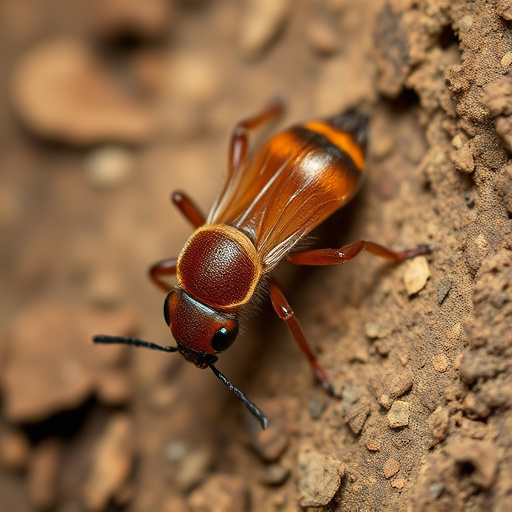
Preventing termite infestations in Marana properties requires a multi-faceted approach, especially with the region’s unique climate and ecology. Termites, invisible destroyers of wood, can cause significant structural damage if left unchecked. In the Tucson area, where natural environments range from arid desert to lush green valleys, effective termite control demands a strategic blend of prevention, monitoring, and targeted treatments.
One of the most robust defenses against termites is understanding their behavior and preferences. Termites are drawn to moisture and wood, so addressing these elements is crucial. Regular inspection and maintenance are vital; checking for water leaks, ensuring proper drainage, and removing any wooded debris near structures can significantly deter termites. Additionally, using natural repellents like lemon grass or neem oil around the property’s perimeter can serve as a non-toxic barrier. In case of visible signs, such as mud tubes or wood damage, immediate action is essential.
Termite control Tucson naturally leans towards eco-friendly methods whenever possible, focusing on non-chemical solutions. This approach not only minimizes environmental impact but also promotes long-term sustainability. For instance, using termite-resistant building materials like treated wood or steel can significantly reduce the risk of infestations. Professional monitoring systems, including bait stations and sensors, offer continuous protection by detecting early signs of termite activity. Property owners should collaborate closely with certified pest control specialists who can tailor strategies to specific needs, ensuring effective termite control without resorting to harsh chemicals.
Maintaining a Pest-Free Environment Post-Infestations

Preventing termite infestations in Marana properties requires a multifaceted approach, especially post-infestations to maintain a pest-free environment. Termites are relentless invaders, capable of causing significant structural damage if left unchecked. After an infestation, it’s crucial to address the issue promptly and comprehensively to prevent recurring problems. One effective strategy is to implement natural termite control Tucson methods that minimize the use of chemical pesticides, promoting a healthier and more eco-friendly environment.
Natural termite control involves several tactics. First, proper maintenance and inspection are key. Regularly inspect wooden structures for signs of termite damage, such as mud tubes or wood discoloration. Promptly addressing any issues can stop termites from establishing new colonies. Additionally, maintaining proper humidity levels indoors is essential; termites are attracted to moist environments, so keeping homes dry can act as a deterrent. Using desiccant products or ensuring adequate ventilation in crawl spaces and attics can help regulate moisture content.
Another natural method is the use of termite-repellent plants and essential oils. Certain plants like lemongrass, lavender, and neem trees have properties that deter termites due to their strong scents. Incorporating these into landscaping not only adds aesthetic value but also provides a natural barrier against infestations. Essential oils, such as lemon oil or peppermint oil, can be applied to wooden surfaces to repel termites. However, it’s important to note that while these methods are effective, they may require more frequent application compared to chemical treatments.
For long-term protection, consider consulting with local termite control experts who specialize in natural solutions. They can provide tailored advice and implement innovative strategies specific to Marana’s unique ecosystem. Data suggests that combined efforts of regular maintenance, natural repellents, and expert intervention can significantly reduce the risk of termite infestations, ensuring Marana properties remain protected for years to come.
In addressing termite control Tucson naturally, this comprehensive guide has equipped Marana property owners with a robust toolkit for preventing and managing infestations. Key insights include understanding local termite behavior, as variations in habitat necessitate tailored strategies. Early detection through meticulous inspection is paramount, allowing for swift intervention. Natural prevention methods, such as removing moisture sources and limiting wood-to-soil contact, offer sustainable solutions. For persistent cases, effective control strategies like targeted treatments and professional inspections provide long-lasting protection. Post-infestation, maintaining a pest-free environment involves ongoing vigilance and proactive measures. By integrating these practices, Marana residents can protect their properties from termite damage, ensuring a secure and durable living environment.