
Understanding termite behavior is key to effective control in Marana homes. Termites thrive in warm, moist environments, entering through cracks and uns sealed openings. Regular inspections, proactive prevention (drainage, removing wood sources), and professional expertise are vital. Early detection through signs like mud tubes or swarms minimizes damage. Natural prevention methods include repairing wood-to-soil contact, removing tree stumps, addressing leaks, using termite-resistant materials, and applying organic repellents.
Eco-friendly termite control in Marana uses natural substances and non-toxic techniques like biological control and bait systems. Studies show these can be as effective as traditional chemical treatments. The active season (spring/summer) offers an optimal window for treatment. Natural barrier treatments with organic repellents and targeted localized interventions provide long-term protection. Post-treatment care, including regular inspections and addressing vulnerabilities, reduces reinfestation risk up to 80% within the first year.
Termites are a significant concern for homeowners in Marana, posing a silent yet destructive threat to structures. Their ability to chew through wood and other materials can lead to costly repairs if left unchecked. Understanding the ideal time for termite treatments is crucial for effective pest management. This article delves into the optimal timing for interventions, offering practical insights tailored to the local environment, including natural methods for termite control Tucson residents can trust. By the end, homeowners will be equipped with knowledge to safeguard their investments and maintain a secure living environment.
- Understanding Termite Behavior in Marana Homes
- When to Spot Signs of Termite Infestation
- Natural Prevention Methods for Termites in Tucson
- Traditional vs. Eco-Friendly Termite Control Options
- Choosing the Right Termite Treatment for Your Home
- Post-Treatment Care and Maintenance Tips
Understanding Termite Behavior in Marana Homes
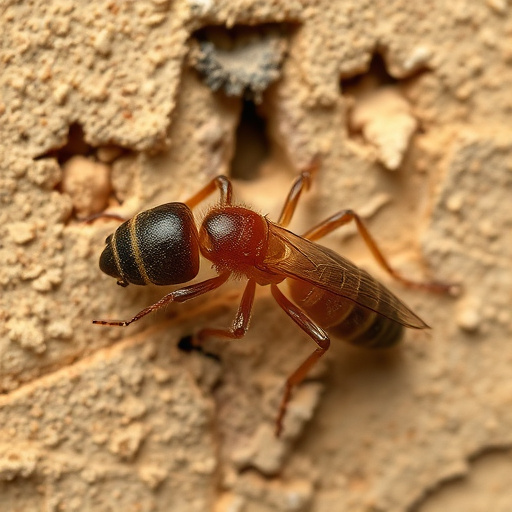
Understanding termite behavior is key to implementing effective control strategies in Marana homes. These insects are highly adaptive and efficient invaders, often going unnoticed until significant damage occurs. Termites thrive in warm, moist environments, making Marana’s climate ideal for their proliferation. During the day, they prefer to stay hidden within walls, floors, or beneath ground, emerging at night to feed on wood and other cellulose-rich materials. This nocturnal behavior makes it challenging to detect infestations early on.
In Marana homes, termites are particularly attracted to areas with poor ventilation and high moisture levels, such as basements, bathrooms, and kitchens. They can enter through the tiniest cracks or uns sealed openings, establishing colonies that can remain undetected for years. Regular inspections are crucial, especially in older homes, as termite damage can go unnoticed for extended periods, leading to extensive structural issues. Fortunately, natural termite control Tucson methods exist, focusing on non-toxic solutions like essential oils and beneficial insects, providing eco-friendly alternatives to traditional treatments.
Termite control should be a proactive measure, starting with prevention. Homeowners in Marana should ensure proper drainage around their properties, remove potential wood sources from the exterior, and regularly inspect for signs of infestation. When addressing infestations, professional expertise is invaluable. Certified pest control specialists can identify specific termite species, recommend appropriate treatments, and provide tailored solutions, ensuring long-lasting protection. Regular maintenance and early detection are the cornerstones of effective termite management in Marana homes.
When to Spot Signs of Termite Infestation
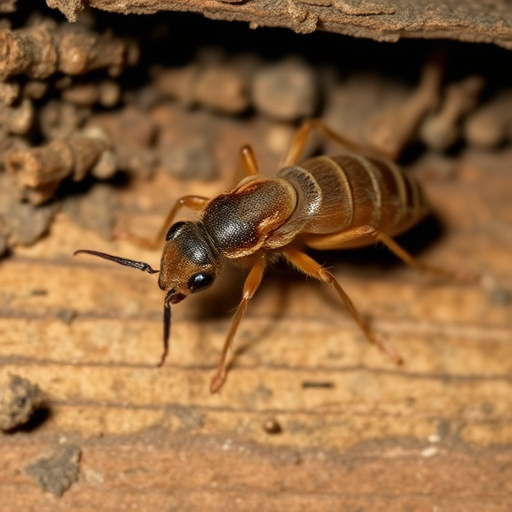
In Marana homes, recognizing the signs of a termite infestation early is crucial for effective termite control Tucson naturally. Termites are silent invaders, often going unnoticed until significant damage has been done. Homeowners should be vigilant year-round, but certain seasons and conditions can increase vulnerability. Spring and summer months see elevated activity as termites emerge from their winter dormancy, seeking new sources of food. During these periods, it’s essential to inspect your property regularly, focusing on areas where wood meets soil, such as doors, windows, and foundation posts.
One clear sign of an active infestation is the presence of mud tubes or “termite tunnels” along walls or in crevices. These tubes serve as protective passageways for termites, indicating their current activity level. Additionally, swarms of small insects, often seen flying around lights at night, can signal a nearby colony. Termite droppings—small, sawdust-like pellets—may also appear, especially near infested wood structures. Homeowners should not delay in contacting a professional if they observe any of these signs, as early intervention is key to minimizing structural damage and controlling costs associated with termite control Tucson naturally.
According to local pest control data, Marana properties are particularly at risk during the warmer months due to the area’s arid climate, which provides optimal conditions for termites to thrive. Regular inspections by trained professionals can help identify potential issues before they escalate. Termite control measures, when implemented promptly, can preserve the structural integrity of homes and protect against substantial financial losses. By staying informed and proactive, Marana residents can safeguard their investments and ensure the longevity of their properties.
Natural Prevention Methods for Termites in Tucson

In Marana homes, termites can pose a significant threat to structural integrity if left untreated. However, before resorting to chemical termite control Tucson methods, it’s prudent to explore natural prevention strategies that offer both safety and environmental benefits. One of the most effective approaches is maintaining a healthy barrier between your home and potential termite habitats. This includes regular inspection and repair of any wood-to-soil contacts, as termites are attracted to damp wood in direct contact with the ground. For instance, removing tree stumps and branches within 10 feet of your house can eliminate inviting shelters for termite colonies.
Another natural prevention method involves adjusting moisture levels around your home. Termites are drawn to water, so addressing leaks and ensuring proper drainage is crucial. This might include fixing leaky pipes, installing drainage systems around the foundation, and maintaining a slope that diverts water away from your home’s base. Data suggests that homes with adequate moisture management see up to 50% less termite activity compared to their counterparts. Additionally, using termite-resistant building materials like treated wood or metal can significantly deter these pests from infesting structures.
Natural barriers like soil amendments and beneficial insects also play a vital role in termite control Tucson naturally. Applying organic repellents like neem oil or diatomaceous earth can create a protective layer around your home, making it less appealing to termites. Introducing natural predators like spiders and ants can further disrupt the termite life cycle. For example, some ant species are known to attack and kill termites, providing an eco-friendly solution that doesn’t rely on harsh chemicals. By combining these methods, Marana homeowners can create a robust defense against termites while contributing to a more sustainable environment.
Traditional vs. Eco-Friendly Termite Control Options

When considering termite control in Marana homes, homeowners often face a choice between traditional and eco-friendly options. Traditional termite control methods typically involve synthetic chemicals that are effective but can raise environmental concerns and potentially pose risks to human health. In contrast, eco-friendly termite control options utilize natural substances and non-toxic methods, making them a preferred choice for those seeking sustainable solutions.
In the realm of traditional termite control Tucson naturally offers a variety of chemical treatments, such as termiticides, which are highly effective in eliminating termites. However, these chemicals can remain in the soil and potentially contaminate groundwater. Moreover, resistance to termiticides is becoming more prevalent, reducing their long-term effectiveness. On the other hand, eco-friendly methods like biological control, bait systems, and natural repellents provide a safer alternative. For instance, certain bacteria and fungi naturally produce compounds that repel or kill termites, offering a targeted and less harmful approach.
The transition to eco-friendly termite control is gaining traction due to its numerous benefits. First, these methods minimize the ecological impact by reducing chemical pollution. Second, they are often more cost-effective in the long run as they require fewer applications and can be integrated into overall pest management strategies. Data from recent studies suggests that organic termite control measures can be equally or even more effective than traditional methods when implemented correctly. Homeowners in Marana should consider consulting with pest control experts who specialize in eco-friendly solutions to ensure the best results.
Ultimately, choosing between traditional and eco-friendly termite control depends on individual preferences, budget, and environmental considerations. By understanding the advantages of natural methods, homeowners can make informed decisions that protect their properties while promoting a healthier environment. Remember that proactive measures, regular inspections, and prompt treatment are key to mitigating termite damage, regardless of the chosen approach.
Choosing the Right Termite Treatment for Your Home

When considering termite control for your Marana home, choosing the right treatment is paramount. The ideal time to address a termite infestation is during their active season, typically spring and summer when these pests are most visible and vulnerable. During this period, termites are more actively feeding and reproducing, making it an opportune time for effective termite control Tucson naturally. This window allows for better penetration of treatments into the colony, leading to higher success rates.
One of the most eco-friendly and long-lasting solutions is a natural barrier treatment. This method involves applying organic repellents and inhibitors around your home’s perimeter. For example, essential oils like lemongrass, cloves, and mint have been shown to deter termites naturally. Local companies specializing in termite control Tucson naturally can integrate these compounds into a comprehensive barrier system that protects against future infestations. Regular maintenance checks are still necessary, but this approach significantly reduces the need for chemical interventions.
Another effective strategy is targeted, localized treatment, especially if you’ve already identified active termite activity. This involves directly treating affected areas with concentrated natural pesticides. For instance, boric acid or diatomaceous earth can be used to kill termites on contact. While these treatments are more focused, they should still be considered in conjunction with a broader prevention strategy. Combining natural barriers with targeted interventions offers the best protection against termite damage over time. Always consult with pest control experts who can provide tailored advice based on your home’s specific needs.
Post-Treatment Care and Maintenance Tips

Post-Treatment Care and Maintenance is a critical phase following termite control Tucson naturally in Marana homes. It involves proactive steps to prevent reinfestation and ensure the longevity of the treatment’s effectiveness. After treating for termites, it’s essential to maintain a robust defense against these persistent pests. This includes regular inspections, sealing entry points identified during the initial survey, and addressing any structural vulnerabilities that may have contributed to the infestation.
Property owners should implement routine checks, especially in areas prone to moisture accumulation or where wood comes into contact with soil, as termites are attracted to such environments. For instance, checking for mud tubes—a telltale sign of active termite activity—around foundations, doors, and windows is crucial. Promptly addressing any new signs of infestation can prevent minor issues from escalating into major problems. Additionally, maintaining a buffer zone between your property and potential harborage sites like nearby woodpiles or debris reduces the risk of reinfestation.
Long-term success in termite control requires a holistic approach that combines professional treatments with diligent homeownership. Regular maintenance not only protects investments but also promotes a healthier living environment. Data from local pest control operators in Tucson indicates that consistent follow-up care can lead to up to 80% reduction in reinfestation rates within the first year after treatment, underscoring the significance of this phase. By staying vigilant and adhering to post-treatment care guidelines, Marana residents can enjoy lasting peace of mind knowing their homes are protected from these destructive pests.
By understanding termite behavior in Marana homes and implementing effective prevention methods like natural strategies for termite control Tucson naturally, homeowners can significantly reduce the risk of infestations. Timely detection of signs is crucial, as early intervention is key to minimizing damage. The article has highlighted both traditional and eco-friendly termite control options, emphasizing that choices align with personal preferences and environmental concerns. When selecting a treatment, consider your home’s unique needs, and always consult professionals for the most effective results. Post-treatment care includes routine inspections and maintenance, ensuring long-lasting protection. These comprehensive insights empower Marana residents to take proactive steps in safeguarding their homes from termite damage.