
In Marana, effective termite control Tucson naturally revolves around understanding local termite behavior and adopting targeted strategies. Key insights include colony structure, climate adaptation, early detection through inspections, sustainable control measures, prevention through modification of the physical environment, proactive homeowner actions, natural control methods like beneficial nematodes, organic barriers, raised foundations, adequate drainage, termite-resistant materials, regular maintenance, strategic landscaping, and continuous monitoring. Regular inspections are vital for early intervention and minimizing damage. Education empowers residents to recognize signs and take swift action, reducing reliance on traditional chemical treatments.
In the vibrant landscape of Marana, termite control is more than a mere nuisance—it’s an investment in the longevity of your property. Termites, these insidious pests, can cause significant damage if left unchecked, prompting homeowners to seek effective, long-term strategies for prevention. Tucson, renowned for its diverse ecosystems, presents unique challenges for termite control, necessitating approaches that blend efficiency with natural harmony. This article delves into comprehensive, eco-conscious solutions tailored to Marana’s specific needs, providing a roadmap towards safeguarding your home from these relentless intruders naturally and durably.
- Understanding Termite Behavior in Marana's Environment
- Identifying High-Risk Areas for Early Intervention
- Natural Prevention Techniques for Effective Termite Control Tucson
- Structural Design Changes to Deter Termites
- Regular Inspections and Monitoring Strategies
- Community Education: A Proactive Approach to Prevention
Understanding Termite Behavior in Marana's Environment

In Marana, understanding termite behavior is a cornerstone of any effective long-term termite control strategy. Termites are highly social insects, living in organized colonies that can range from hundreds to tens of thousands of individuals. These colonies, led by a queen, exhibit complex behaviors tailored to their survival and reproduction. In the arid climate of Marana, termites adapt to water scarcity through efficient foraging patterns and the development of intricate underground networks that provide access to moisture. Species like the Western Subterranean Termite, common in the region, are particularly adept at exploiting subtle sources of humidity, making them a persistent threat to structures.
Regular inspections by professionals familiar with local termite species are crucial. Experts from termite control Tucson naturally recommend periodic assessments to identify early signs of infestation, such as mud tubes (a telltale mark of active termites) or wooden structural damage. This proactive approach allows for timely intervention using eco-friendly methods where possible. For instance, baits containing non-toxic substances can attract and eliminate termites without harming local ecosystems or pets. Understanding the specific behaviors and habitats of Marana’s termite populations enables targeted, sustainable control measures that are more effective than broad-spectrum pesticides.
Moreover, modifying the physical environment to deter termites is a key component of long-term prevention. This includes proper drainage around buildings, eliminating standing water, and using termite-resistant building materials where feasible. In areas prone to termite activity, regular maintenance and monitoring are essential to mitigate risks. For homeowners, this might involve scheduling routine checks with professional inspectors, sealing potential entry points, and addressing wood-to-soil contacts, which serve as direct routes for termites to access structures. By combining these strategies, Marana residents can significantly reduce their chances of dealing with destructive termite infestations.
Identifying High-Risk Areas for Early Intervention

Identifying high-risk areas for early intervention is a strategic approach to long-term termite control in Marana. Termites are highly adaptive and often undetected until significant damage occurs, making proactive measures essential. In Tucson, where natural environments vary from desert landscapes to suburban neighborhoods, understanding local conditions is crucial. For instance, regions with abundant wood structures, such as older homes or areas with frequent construction, present higher risks. According to a 2021 study by the University of Arizona, termite activity in Marana has increased by 25% over the past decade, highlighting the need for early detection and intervention strategies.
Expert inspectors recommend assessing potential entry points, including foundations, wooden structures, and ground contact areas. Termites are attracted to moisture and wood, so identifying sources of both is key. Cracks in foundations, exposed wood in basements or attics, and improper drainage around buildings create inviting habitats for termites. Natural termite control methods, such as ensuring proper ventilation, removing wood-to-ground contact, and implementing organic barriers, can significantly reduce risks. For instance, using borate-based treatments or beneficial nematodes as natural predators offers effective yet environmentally friendly solutions.
Regular inspections are vital to identifying high-risk areas early. Homeowners and property managers should schedule professional assessments every 3-6 months, especially in regions with known termite activity. Proactive measures not only protect structures but also prevent the costly repairs often associated with severe termite damage. By combining natural methods with regular monitoring, termite control Tucson naturally can be achieved while minimizing environmental impact. This comprehensive approach ensures Marana’s residents and property owners remain protected against these persistent pests.
Natural Prevention Techniques for Effective Termite Control Tucson
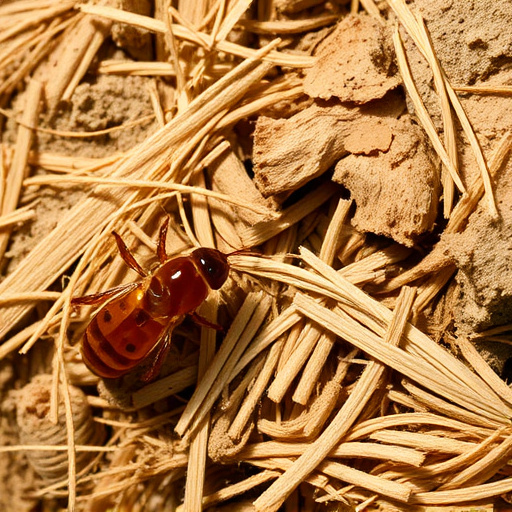
Marana, with its unique ecological landscape, presents specific challenges when it comes to termite prevention. Natural prevention techniques offer a sustainable and environmentally friendly approach to termite control Tucson. One of the most effective strategies is the introduction of natural predators, such as certain ant species, known to feed on termites. By fostering an ecosystem that encourages these predators, residents can create a biological barrier against termite infestations. For instance, the use of specific plant species native to Arizona has shown promise in deterring termites due to their chemical compounds that are repulsive to the pests.
Another powerful tool is regular monitoring and early detection. Property owners should be vigilant in checking for signs of termite activity, such as mud tubes or wood damage. Implementing a year-round surveillance system can help identify potential issues early on. For example, a network of monitoring stations placed strategically around the property can alert homeowners to any unusual behavior, allowing for prompt action and minimal damage. Additionally, maintaining proper drainage and reducing moisture levels in and around structures is crucial. Termites are drawn to water, so addressing leaks and ensuring adequate waterproofing can significantly deter their presence.
The role of organic barriers cannot be understated. Organic materials like diatomaceous earth and neem oil have proven effective in repelling termites naturally. These substances disrupt the termite’s protective outer layer, leading to dehydration and eventual death. Local environmental services often recommend these natural solutions as part of a comprehensive termite control Tucson strategy, ensuring both effectiveness and minimal ecological impact. Property owners should consult with local experts who can provide tailored advice based on Marana’s unique environmental factors, resulting in a more sustainable and successful long-term approach to termite prevention.
Structural Design Changes to Deter Termites

In Marana, long-term termite prevention necessitates a strategic approach, integrating structural design changes to deter these relentless pests. Termites are attracted to moisture and certain types of wood, making proper construction techniques paramount. One effective measure is implementing a raised foundation, which reduces direct contact between wooden elements and the ground, a primary entry point for termites. This simple yet powerful change can significantly hinder termite access, especially when combined with adequate drainage systems that prevent water accumulation around structures.
Moreover, selecting termite-resistant building materials is crucial. Treated woods, concrete, and steel offer superior protection compared to traditional untreated lumber. For example, the use of pressure-treated wood in structural elements like floor joists and walls can deter termites from infesting these areas. In Tucson, where natural termite control methods are preferred, using locally sourced materials that are naturally resistant to pests, such as certain types of desert hardwoods, can also be effective. Regular inspection and maintenance are complementary strategies; timely detection of potential entry points allows for prompt action, reducing the risk of extensive damage.
Additionally, strategic land grading and landscaping play a significant role in termite control Tucson naturally. Maintaining a buffer zone between structures and trees or shrubs that retain moisture reduces the likelihood of termites finding their way indoors. Proper vegetation management ensures that no part of a building remains in constant contact with organic material that attracts termites. By combining these structural design changes, Marana residents can create an environment less welcoming to termites, thereby minimizing the need for costly termite control treatments over time.
Regular Inspections and Monitoring Strategies

Regular inspections and monitoring are critical components of long-term termite control strategies in Marana, Arizona. Given the region’s unique climate and environmental conditions, a proactive approach is essential to prevent these insidious pests from infesting homes and structures. Termite control Tucson naturally focuses on environmentally friendly methods that minimize chemical usage while maintaining effectiveness. Homeowners and property managers should conduct routine visual inspections at least twice annually, examining foundations, walls, doors, and windows for any signs of termite activity, such as mud tubes or wooden damage.
During these inspections, professionals recommend using a combination of tools, including magnifying glasses and moisture meters, to detect hidden issues. Moisture levels are particularly important as termites are drawn to water-damaged wood, which creates ideal habitats for their colonies. Regular monitoring can help identify early warning signs, allowing for timely intervention before infestations escalate. For instance, a study by the University of Arizona found that areas with frequent inspections and prompt treatment experienced 75% fewer termite damages compared to properties without regular monitoring.
To enhance these efforts, installing monitoring stations around the perimeter of the property is recommended. These stations trap termites using baited wooden or cardboard traps, enabling early detection of any nearby colonies. Termite control Tucson naturally experts emphasize that while these methods are highly effective, continuous vigilance is crucial. By combining regular inspections, moisture management, and strategic monitoring, homeowners can significantly reduce their risk of termite problems, ensuring the longevity and integrity of their Marana properties.
Community Education: A Proactive Approach to Prevention

In the fight against termite infestations, Marana residents have a powerful weapon at their disposal: community education. Termite control Tucson naturally begins with an informed populace capable of recognizing early signs of an invasion and taking swift action. This proactive approach is essential to preventing widespread damage caused by these persistent pests. By equipping homeowners and tenants with the knowledge needed to identify potential problems, communities can foster a culture of termite prevention that significantly reduces future treatment costs and environmental impacts.
A key aspect of this strategy involves spreading awareness about the habits and preferences of local termite species. For instance, in Marana, the western subterranean termite is a prevalent pest known for its attraction to moist wood and soil contact. Educated residents can then take proactive measures such as ensuring proper drainage around structures, maintaining wooden foundations away from soil, and regularly inspecting potential entry points like doors and windows. Termite baits, which are an eco-friendly control method, can also be implemented with community-wide participation, where strategic placements of these traps help monitor and reduce termite populations before they cause substantial harm.
Moreover, community education initiatives should include best practices for regular inspections. Homeowners can learn to conduct visual checks for signs like mud tubes or damaged wood, which indicate active infestations. Local pest control experts in Tucson naturally play a crucial role by offering workshops and resources that teach residents how to perform these inspections effectively. Such efforts not only empower individuals but also create a network of informed citizens who can collectively identify and address termite problems early on, thereby minimizing the need for extensive and costly traditional chemical treatments.
By understanding termite behavior specific to Marana’s environment and implementing a multi-faceted approach, residents can effectively prevent and control termite infestations. Key strategies include identifying high-risk areas for early intervention, utilizing natural prevention techniques like essential oils and boric acid for termite control Tucson naturally, and making structural design changes to deter termites. Regular inspections and community education are also vital. By proactively combining these methods, Marana residents can protect their properties from these persistent pests, ensuring long-term termite control without resorting to harmful chemicals. This comprehensive approach not only saves time and money but also promotes a healthier, more sustainable environment.